Building a cross-platform logistics app for national-scale distribution

We began by supporting the client in expanding their development team, creating an agile, interdisciplinary group responsible for the full delivery lifecycle. We then designed and built advanced mobile and web systems tailored to the modern needs of logistics operations. In the following stages, we implemented key application features that enable users across Iceland to manage shipments, track parcels in real time, access digital correspondence, and make mobile payments.
Expanding delivery services through modern apps
The client, operating a nationwide network reaching over 95% of households and businesses, was struggling with growing demand for fast, digital solutions. Users expected convenient mobile services and real-time shipment tracking. At the same time, the client faced limitations of legacy IT systems and the need to integrate existing services while maintaining uninterrupted operations.
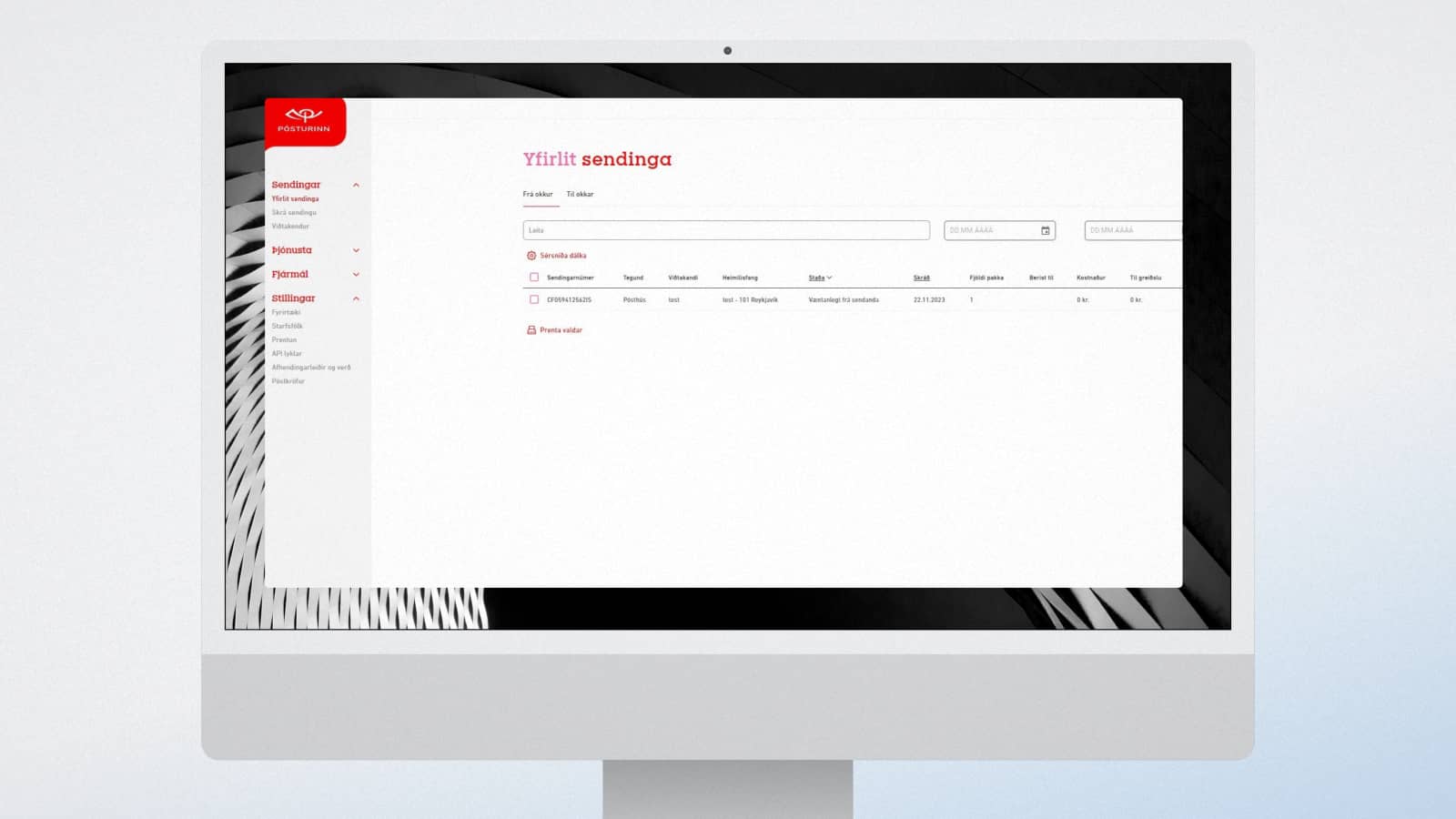
The client needed a partner who could provide a flexible and experienced team capable of designing and delivering a cross-platform logistics application - from architecture and design, through feature development, to testing and integration with existing systems.

Process of delivering the solution: from team to deployment
1. Team Building
We created a multidisciplinary, scalable team consisting of developers, UI/UX designers, and testers with experience in building mobile and web applications for logistics platforms.
2. Collaboration with the Client
The team worked closely with the client at every stage, gathering requirements, defining feature priorities, and tailoring solutions to meet real operational needs.
3. Design and Architecture
We developed a modern application architecture and intuitive design, enabling efficient shipment management, real-time package tracking, and integration with existing systems.
4. Feature Development
The team built key application features for both mobile platforms (Android, iOS) and web, ensuring high performance and responsiveness.
5. Integration with Legacy Systems
New components were integrated with the client’s existing systems, ensuring data consistency and uninterrupted logistics operations.
6. Testing and Quality Assurance
Comprehensive functional, integration, and performance testing was conducted to guarantee application stability and reliability.
7. Deployment and Optimization
After deploying the solution across the client’s network, we monitored performance and implemented improvements, enabling the application to scale in line with growing user demands.
A modern logistics solution ready for growth
Thanks to our collaboration, the client successfully implemented a reliable, cross-platform logistics application supporting nationwide operations and integrating both legacy systems and new solutions, significantly reducing internal complexity. The agile approach and continuous quality assurance enabled faster delivery of production-ready features, improved operational efficiency, and created a scalable solution ready for future growth.
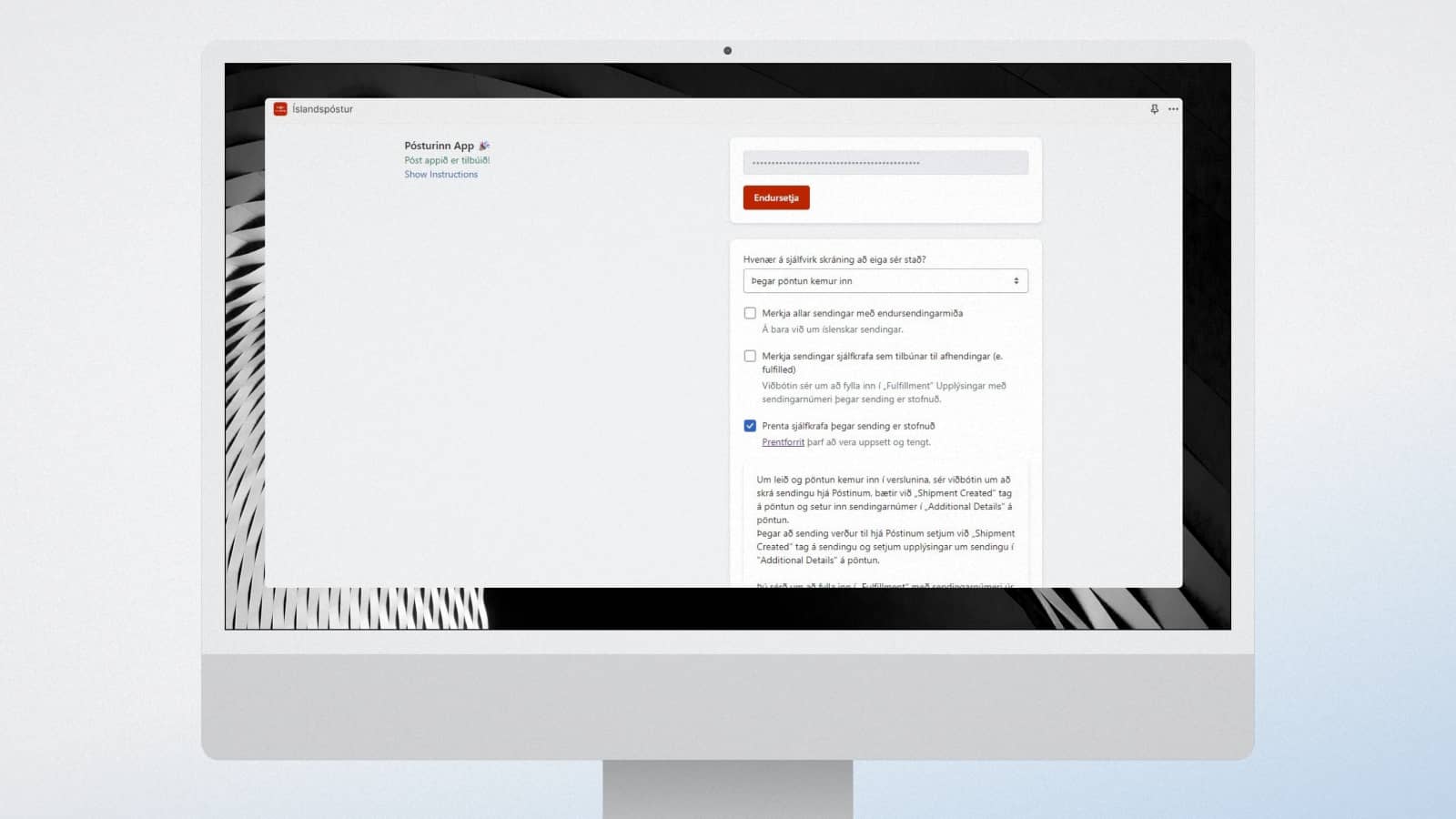
How mobile technology supports corporate logistics
What benefits do mobile applications bring to logistics companies?
They facilitate real-time shipment tracking, optimize drivers’ routes, increase operational efficiency, and improve customer service.
How does mobile technology support fleet management?
Mobile apps allow monitoring vehicle locations, fuel levels, delivery schedules, and analyzing data to optimize routes and reduce costs.
Do mobile logistics systems integrate with existing IT systems?
Yes, modern mobile solutions are designed to integrate with ERP, WMS, and other systems, ensuring data consistency and smooth operations.
How does mobile technology enhance the customer experience?
Customers can track shipments in real time, receive delivery status notifications, and easily communicate with the courier, improving satisfaction and loyalty.
What mobile technologies are used in logistics?
Solutions include native apps (Android/iOS), responsive web apps, GPS and geolocation, barcode scanners, and push notification systems.