Smart ways to improve the recruitment management system

We helped the client optimize their RMS by leveraging artificial intelligence to accelerate recruitment processes, improve system usability, and integrate advanced tools for candidate matching and HR process automation.
Intuitiveness, compliance, and continuity
The client needed a more intuitive RMS that would facilitate work for both candidates and recruitment teams. The main challenges included:
- Iterative feature deployment for users: Most new features had to be rolled out gradually to avoid disrupting daily operations and to allow for quick testing and feedback.
- Release of larger modules according to organizational readiness: More complex system components could only be deployed once the company was prepared for the changes, requiring careful planning of implementation stages.
- Ability to temporarily disable problematic features: The system needed to allow quick deactivation of features that could cause errors or disrupt user workflows.
- Compliance with legal changes (e.g., GDPR): All updates and functionalities had to meet data protection regulations, requiring strict control and built-in compliance mechanisms.
- Maintaining system integration and stability during continuous updates: Each change needed to be compatible with existing modules to ensure smooth operation.

Gradual RMS modernization while maintaining system continuity
We gradually updated the RMS while keeping it fully operational. Key strategies included:
Modular Architecture
- Larger system areas were separated into independent modules
- Enabled use of newer tools (Angular, Spring Framework) without affecting the rest of the system
- Allowed step-by-step modernization and continuous improvements
Technology Choices
- Angular framework for building modular single-page applications (SPA)
- Spring Framework for backend support
- Feature Toggles for testing and selectively enabling/disabling functions
- Mobile optimization for candidates and recruiters
Agile Delivery and Communication
- Iterative delivery of features while maintaining system continuity
- Asynchronous communication via shared tools for efficient collaboration
- Continuous adaptation to client needs and legal requirements
Intuitive, Mobile, and Future-Ready RMS
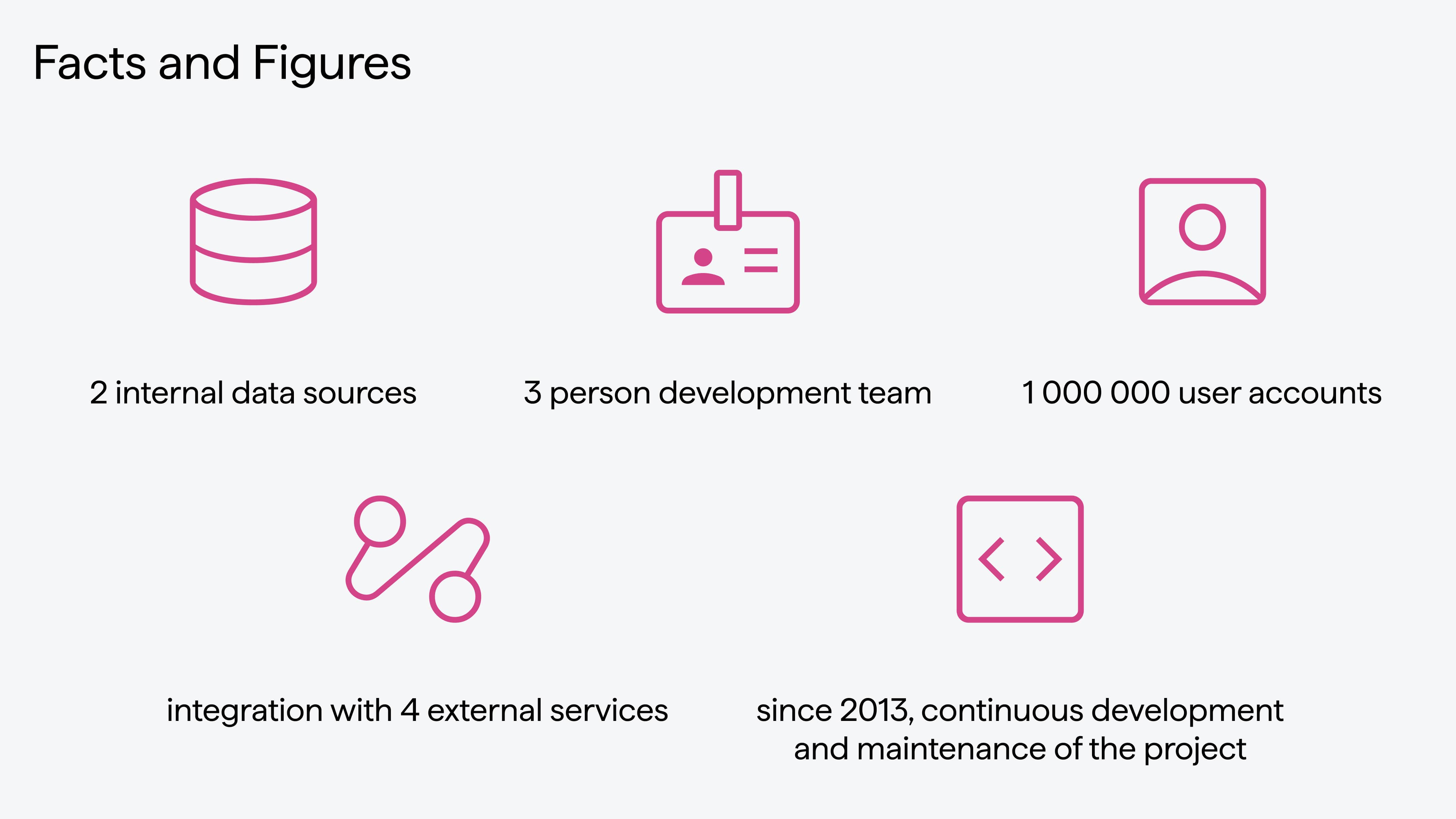
As a result of the collaboration, the RMS was fully customized module by module, allowing flexible adaptation to the organization’s needs. Users gained mobile access for both recruiters and candidates, enhancing convenience and work efficiency. The system was integrated with external services such as Facebook and marketing tools, and job postings on popular platforms can be published directly from the RMS. Advanced machine learning features were also implemented to support candidate-job matching. Thanks to the modular architecture and the use of Feature Toggles, new functionalities can be introduced iteratively while maintaining system stability, and the architecture remains ready for future projects and ongoing development aligned with business goals.
FAQ - AI in Recruitment and HR
How can AI support the recruitment process?
AI in recruitment automates application processing, analyzes CVs against job requirements, and assists in candidate selection. AI systems can predict cultural fit, prioritize applications, and suggest the best-matched candidates, accelerating hiring and reducing HR team workload.
What are AI-powered candidate recommendation systems and how do they work?
AI-powered recommendation systems use machine learning algorithms to evaluate CVs, LinkedIn profiles, and internal HR data. They analyze skills, experience, and alignment with job requirements, and learn from past hiring decisions to improve recommendation accuracy.
Can AI improve the candidate experience during recruitment?
Yes. Chatbots and intelligent communication systems automate candidate interactions, answer frequently asked questions, and provide real-time updates on application status. This ensures fast, personalized support, increasing candidate satisfaction and enhancing employer branding.
How does AI help HR teams plan and optimize processes?
AI analyzes HR data to identify bottlenecks in recruitment, predict future staffing needs, and support strategic decisions. Systems can monitor recruitment campaign performance, time-to-hire, and employee retention, enabling HR teams to act proactively and optimize workflows.
Is implementing AI in HR and recruitment secure and compliant?
Yes, if systems are designed according to regulations like GDPR. AI implementations in HR should include access controls, data encryption, and user activity monitoring. This ensures candidate data is processed securely, minimizes legal risks, and maintains compliance with data protection standards.